
Introducing the West Berkshire Complaints Think Tank
Background
In recent years, much of my casework as an accredited union official has involved supporting schools with complaints. Discussions with regional and branch officials suggest that this pattern is reflected across England. However, there appears to be little, if any, empirical evidence demonstrating the scale of the increase in complaints managed by schools.
In January 2026, the West Berkshire Complaints Think Tank was established to explore more effective ways of supporting school leaders, particularly in the management of parental complaints.
Membership and Meetings
NAHT Branch Secretary
NEU Branch Secretary
Two serving headteachers, both managing protracted complaints
Portfolio Holder for Education
Head of School Improvement
A representative from the Local Authority HR team
The Think Tank met five times during the Spring Term.
Questionnaire Findings
A questionnaire on complaints was circulated to all maintained primary schools in West Berkshire, with a response rate of approximately 30%.
Every responding school had handled at least one complaint since September 2023 or was managing an active complaint.
One school reported a double-figure number of complaints.
Based on the responses, I estimate that at least 60% of maintained primary schools in West Berkshire handled complaints during the specified period. This is an informed estimate rather than an empirically verified figure.
Complaint Pathways and Support Gaps
There is a sense that schools, to keep relationships positive, must keep trying to satisfy a complainant which invariably has expectations beyond any school’s capacity to deliver. Parents can raise concerns with a range of organisations, including the West Berkshire safeguarding lead, the Local Authority, Ofsted and the Teaching Regulation Agency. Numerous websites, social media channels and AI tools also provide guidance to parents who wish to make a complaint.
Questionnaire feedback also highlighted gaps in support. When schools were handling complex complaints, respondents reported that the Local Authority had limited capacity to assist and that Legal Services could be difficult to contact. Experience shows that limited capacity also applies to local academy chains. Dealing with complaints consumes leadership capacity and saps morale.
Work Completed and Proposed Reporting
The Think Tank has produced a Road Map support guide, which has been circulated to school leaders (see image 1).
At the Joint Negotiating and Consultative Committee (JNCC) meeting in July 2026, the Local Authority was asked to consider adapting an existing reporting system to record complaints (see image 2).
A consistent reporting process would:
show the extent of this wider national issue in West Berkshire schools;
help identify patterns and emerging trends;
provide useful information to local education unions; and
support better targeting of professional assistance.
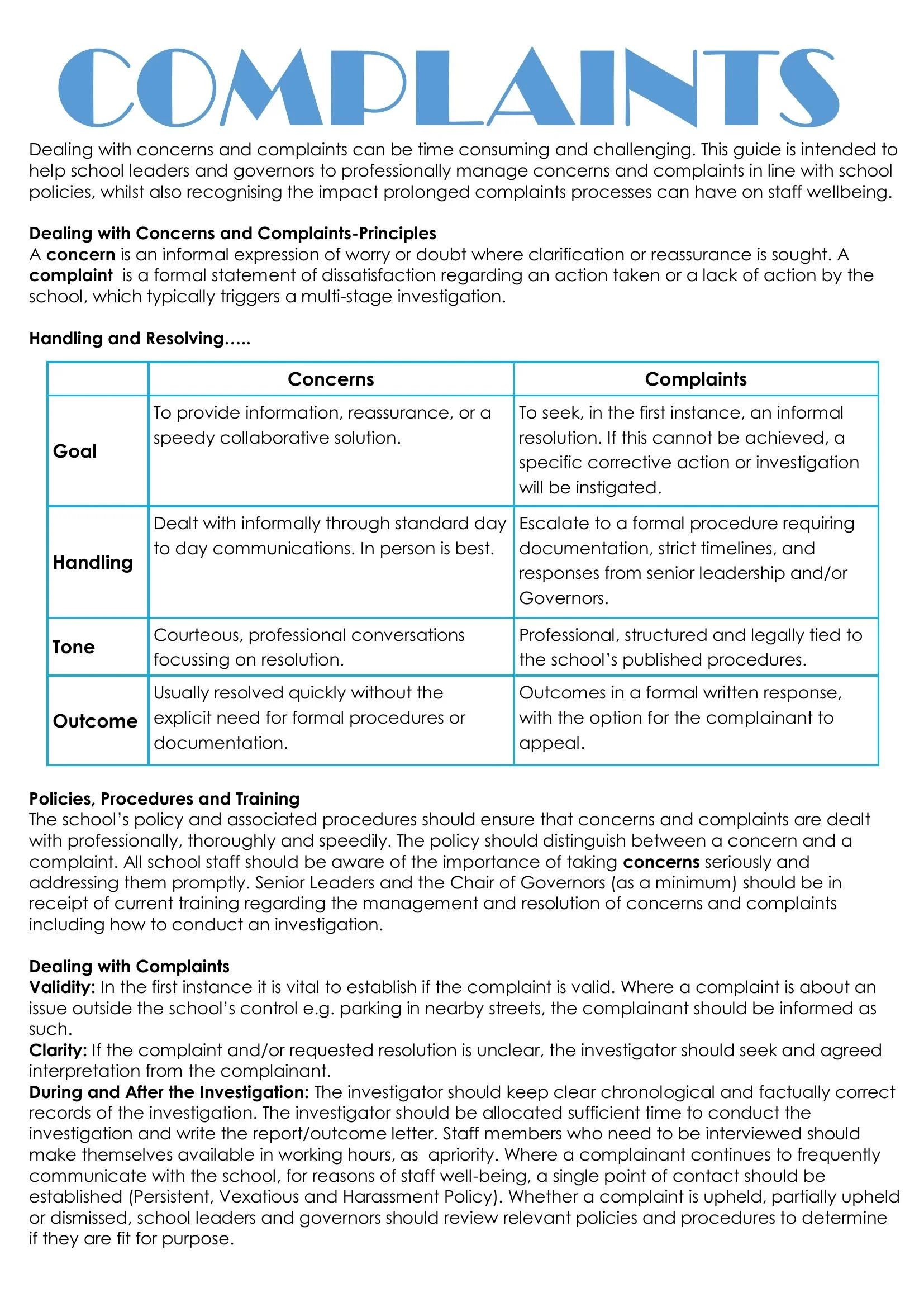
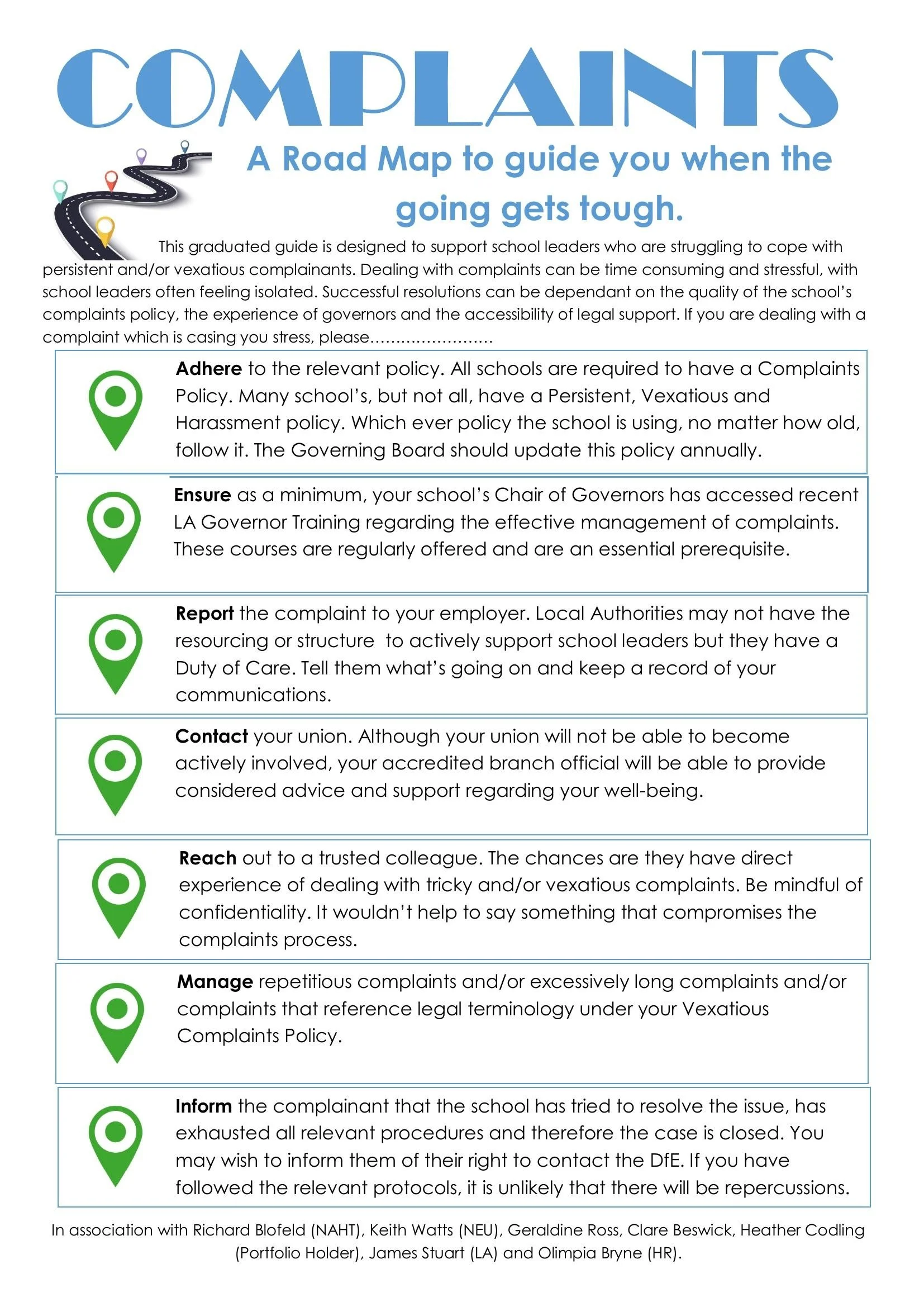
Image 1: complaints road map support guide
SEND and the Legal Context
Many of the complaints in which I have supported school leaders have included a special educational needs and disabilities (SEND) element. Complaints often cite the Disability Discrimination Act 1995, although this legislation was superseded by the Equality Act 2010. The 2010 Act addresses nine protected characteristics, prohibited conduct and key employer obligations.
In my experience, references to legislation can sometimes be used in a way that schools perceive as intimidating or threatening. In my view, however, it would be unusual for a school acting appropriately to breach the 2010 legislation.
Operational and Human Impact
If the time spent managing complaints and associated subject access requests across England were converted into a monetary figure, the financial cost would likely be substantial and increasing. The effect on employee and governor wellbeing may also be considerable. I am not aware of any published data quantifying either the financial or emotional impact.
Governance and Next Steps
The competence and experience of governors are important factors in the effective management of complaints. In some cases, I have observed governor involvement that lacked the necessary expertise and had a damaging effect on the process.
The Think Tank’s next step is to ask the Local Authority to introduce mandatory complaints training for governors, using content developed by the Think Tank and endorsed by the Local Authority
-Richard Blofeld
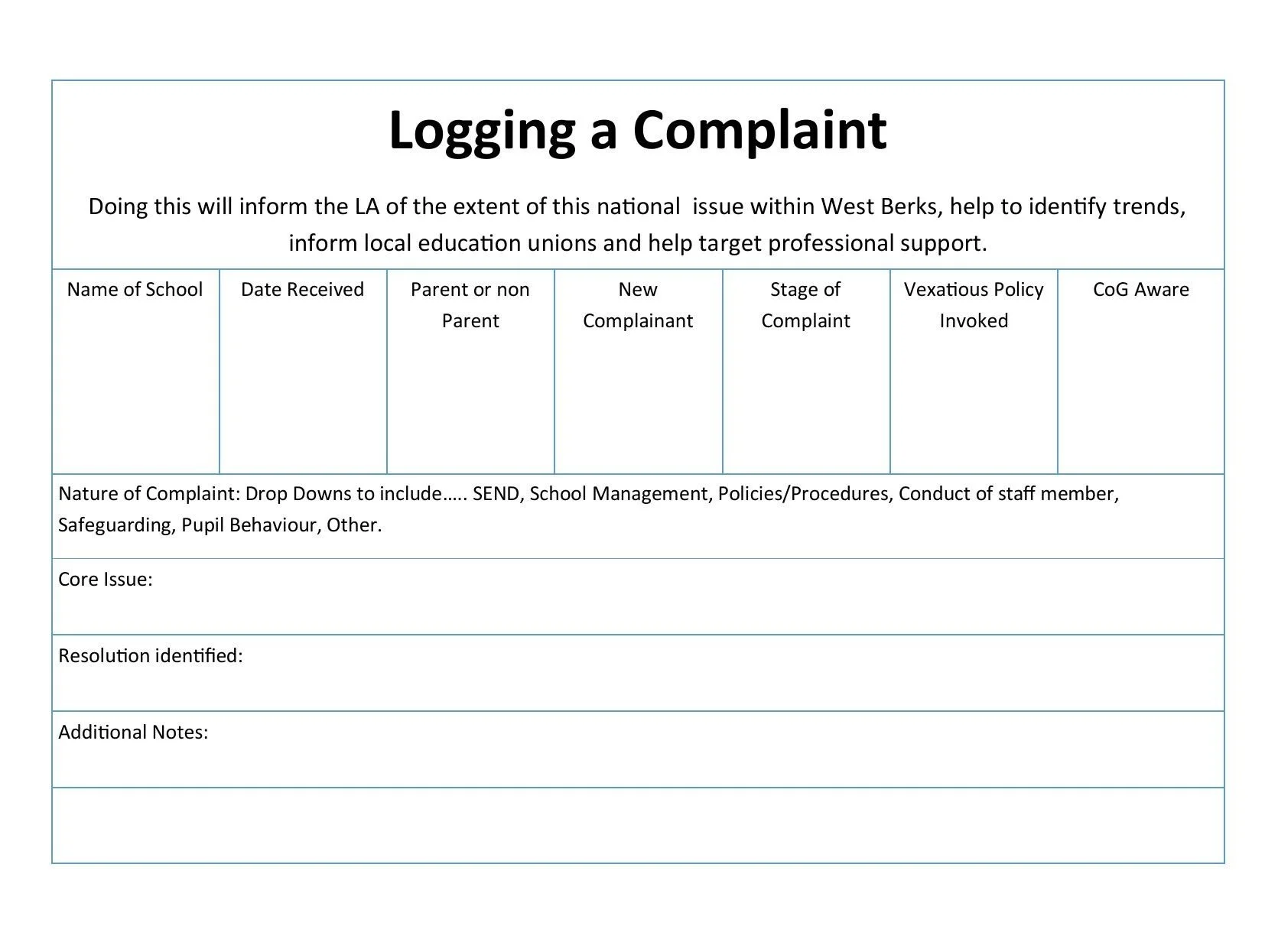
Image 2: reporting system to record complaints